
Last updated: September 2026
The Golden Temple doesn’t just welcome Sikh pilgrims — it welcomes everyone, at any hour, for free, including a meal. Officially called Harmandir Sahib or Darbar Sahib, this is Sikhism’s holiest site. It’s also one of the most quietly radical religious buildings in the world: built intentionally below street level, with entrances on all four sides, so that no one, regardless of caste, religion, or background, enters from a position of higher or lower status than anyone else.
Quick Facts
| Official name | Harmandir Sahib (also called Darbar Sahib) |
| Location | Amritsar, Punjab |
| Founded | 1577 by Guru Ram Das; construction completed 1604 under Guru Arjan Dev |
| Gold plating added | 1830, by Maharaja Ranjit Singh |
| Timings | Open 24 hours, every day |
| Entry fee | Free |
| Langar | Free, 24/7, feeding approximately 100,000 people daily |
| Langar hall capacity | Up to 5,000 people seated at once |
| Camera/video | Free |
A Temple Built to Have No Hierarchy
Guru Ram Das, the fourth Sikh Guru, founded the site in 1577, originally as a settlement called Ramdaspur. In 1589, Guru Arjan Dev, the fifth Guru, asked the Sufi saint Mian Mir to lay the foundation stone — a deliberate gesture of interfaith respect. Some scholars, though, argue Guru Arjan Dev laid it himself. Construction finished in 1604, and that same year, Guru Arjan Dev installed the Adi Granth, Sikhism’s central scripture, inside the completed structure.
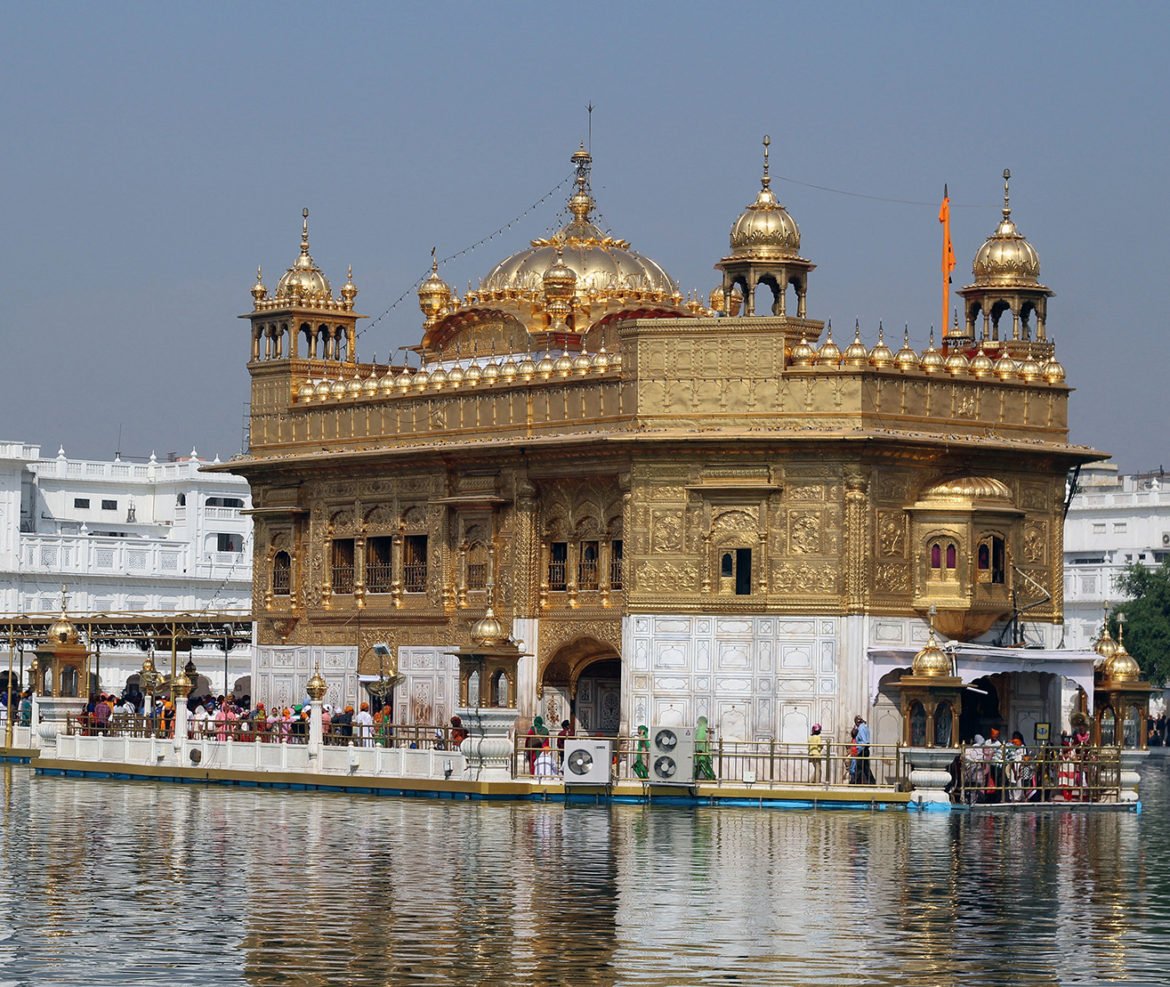
The temple’s architecture carries real intention. Builders deliberately set it lower than the surrounding ground, to make a point: everyone who enters must step down to reach it, regardless of status. Meanwhile, four entrances open on all sides, welcoming people of any background, caste, or religion equally — a direct challenge, at the time, to temple traditions that restricted entry by caste.
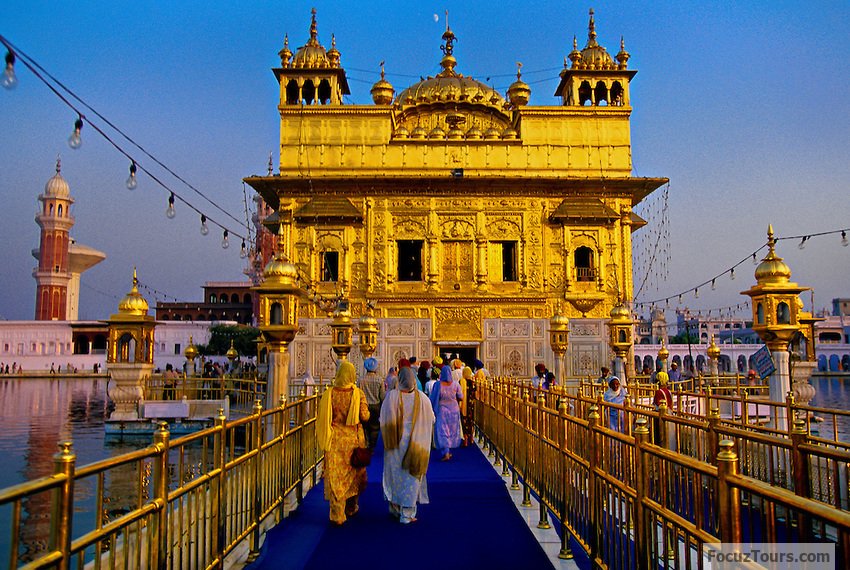
The gold came later. In 1830, Maharaja Ranjit Singh covered the upper floors in gold foil, giving the temple the name most people know it by today, even though its official name remains Harmandir Sahib.
The Langar: The World’s Largest Free Kitchen
Beyond the temple itself, the Golden Temple complex runs what’s widely considered the largest free community kitchen on Earth. Volunteers prepare and serve simple vegetarian meals around the clock, every day of the year, to anyone who comes. Nobody asks about faith, background, or ability to pay. On an average day, the langar feeds roughly 100,000 people, and the dining hall itself can seat up to 5,000 at once. Many visitors describe eating here, sitting on the floor alongside strangers from every walk of life, as one of the most genuinely moving parts of visiting Amritsar at all.
Operation Blue Star: A Difficult Chapter
In June 1984, the Golden Temple became the site of a major and deeply contested event in modern Indian history. Armed militants had taken shelter inside the temple complex. In response, the Indian government, under Prime Minister Indira Gandhi, ordered the army to remove them in an operation codenamed Operation Blue Star. The resulting military action caused significant damage to the complex, including to the Akal Takht (the Sikh’s highest temporal seat) and the Sikh Reference Library. It also led to substantial loss of life among militants, security forces, and civilians caught in the conflict. Afterward, the temple complex was fully rebuilt. Even today, the event remains a significant and sensitive part of Sikh and Indian history.
Visiting the Golden Temple: Practical Details
Timings: The complex stays open 24 hours a day, every day of the year, with no entry fee.
Dress code: Cover your head (free headscarves are available at the entrance if you don’t bring one), remove your shoes before entering, and dress modestly — avoid shorts, sleeveless tops, and leather items such as belts or wallets.
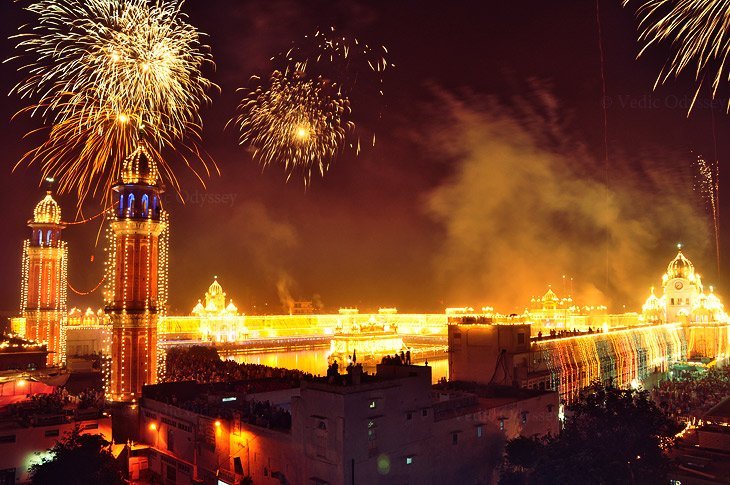
Best time to visit: Early morning or late evening offers a quieter, more reflective experience, while the temple lit up at night is widely considered its most visually striking moment. October through March brings the most comfortable weather for visiting Amritsar generally.
Accommodation: The Shiromani Gurdwara Parbandhak Committee runs several sarais (pilgrim rest houses) for visitors within the temple complex.
Nearby Content on Beauty of India
Frequently Asked Questions
What are the Golden Temple’s visiting hours? The complex is open 24 hours a day, every day, with free entry at all times.
Why is the Golden Temple built below ground level? Its builders intentionally set it lower than the surrounding ground so that everyone entering steps downward, symbolizing equality regardless of status, caste, or background.
How many people does the Golden Temple’s langar feed? Approximately 100,000 people daily, served free of charge around the clock, with a dining hall that can seat up to 5,000 people at once.
Is there a dress code at the Golden Temple? Yes — cover your head, remove your shoes before entering, dress modestly, and avoid leather items.
What happened at the Golden Temple in 1984? In June 1984, the Indian Army conducted Operation Blue Star to remove armed militants sheltering in the complex, causing significant damage and loss of life. The temple was fully rebuilt afterward, and the event remains a significant, sensitive part of Sikh and Indian history.
Who built the Golden Temple? Guru Ram Das founded the site in 1577; Guru Arjan Dev, the fifth Sikh Guru, completed construction in 1604 and installed the Adi Granth inside it.
